Eco-Friendly Landscaping Tips to Enhance Your Garden's Beauty Apr 30, 2026
First, consider the plants you choose. Native plants are an excellent starting point for an eco-friendly garden. They are adapted to the local climate and soil conditions, requiring less water, fertilizers, and pesticides. By planting species that naturally thrive in your area, you'll reduce the need for maintenance and support local wildlife. Ornamental grasses, wildflowers, and local shrubs add texture and color while providing habitats for pollinators like bees and butterflies.
Water conservation is another crucial aspect of sustainable landscaping. Implementing a rainwater harvesting system can be an effective way to reduce water usage. Collecting rainwater in barrels provides a free, sustainable water source for your garden during dry spells. Additionally, consider installing a drip irrigation system to minimize water waste. This method delivers water directly to the roots of plants, reducing evaporation and ensuring that plants receive the moisture they need.
Composting is a simple yet powerful practice for creating a more sustainable garden. By composting kitchen scraps and garden waste, you can produce nutrient-rich soil that enhances plant growth without the need for chemical fertilizers. Not only does this reduce waste sent to landfills, but it also improves soil health, boosting the vibrancy of your garden.
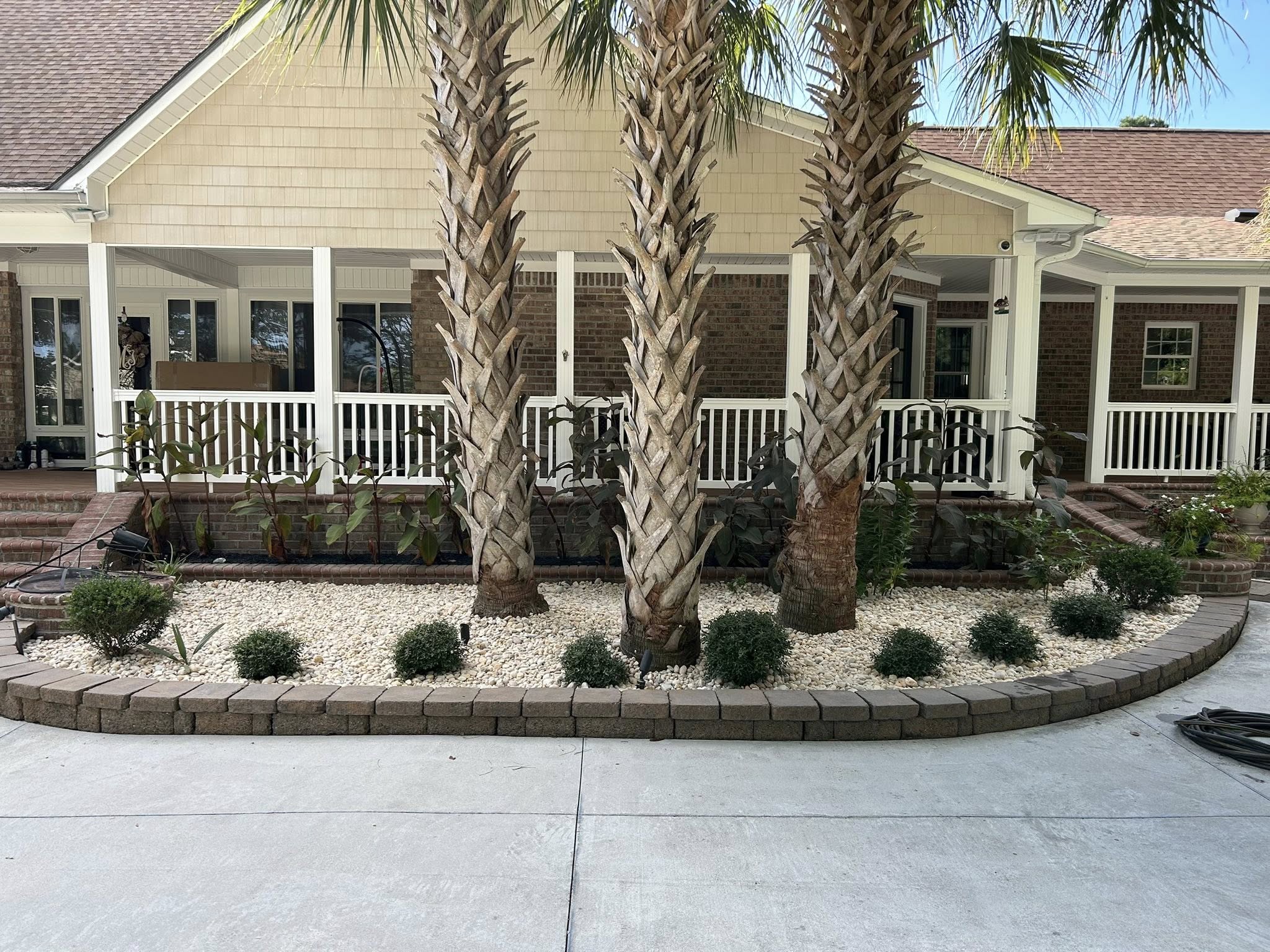
Incorporate hardscaping elements to complement your green space. Using permeable materials for walkways and patios allows rainwater to seep into the ground, recharging groundwater supplies and reducing runoff. Materials such as gravel, permeable pavers, and wood chips are excellent choices. If you’re considering a new deck or fence, opt for sustainably sourced wood or recycled materials to minimize your environmental footprint.
Keeping your garden pesticide-free is another way to promote eco-friendliness. Chemical pesticides can harm beneficial insects and contaminate soil and water. Instead, focus on natural pest control methods like introducing predator insects such as ladybugs or using homemade solutions like soap sprays. Maintaining healthy soil with compost and mulch can also deter pests naturally by fostering a strong ecosystem.
Choose energy-efficient lighting solutions to extend your enjoyment of the garden after dark. Solar-powered lights are an ideal choice, offering a sustainable way to illuminate pathways and highlight landscaping features without increasing electricity bills. LED lights are another resource-efficient alternative, requiring less energy to operate and lasting longer than traditional bulbs.
Finally, incorporate biodiversity by adding variety to your garden. A diverse array of plants can attract different species of wildlife, creating a balanced and thriving ecosystem. Consider a mix of flowering plants, shrubs, and trees for depth and interest, ensuring beautiful blooms throughout the year.
Eco-friendly landscaping is about more than just aesthetics; it’s about creating a harmonious environment that respects nature's cycles while enhancing your home’s outdoor appeal. By applying these sustainable practices, you’ll enjoy a lush, vibrant garden that not only looks stunning but also contributes to a healthier planet. Partner with Top Notch Landscape today to make your green dream a reality, transforming your garden into a sustainable sanctuary.
/filters:no_upscale()/filters:format(webp)/media/93431f55-8839-4073-8c68-f5e03bcec937.jpeg)